There is a particular mythology around the British summer event. The long evening light. The garden reception that drifts effortlessly into a candlelit dinner. Guests in their best clothes on the best night of the year. It is a genuinely compelling image — and it is, when everything aligns, absolutely achievable. What the mythology tends to omit are the conditions required to make it work.
The first thing worth understanding is that London's event market is unusually demanding. This is not a complaint — it's a reflection of the city's position as a genuinely international one. A summer celebration in London will almost certainly include guests who have attended exceptional events elsewhere in the world: a wedding in Tuscany, a corporate dinner in New York, a private celebration at one of the city's finest private members clubs. The guests bring context. They have references. When something is extraordinary, they know it because they have something to compare it to. When something falls short, the same applies.
This raises the bar for every element of the event, but it particularly raises the bar for the venue. A space that photographs well and delivers a competent experience is not the same as a space that delivers an experience worth travelling for. The difference is usually in the details — the ones that don't appear in the mood board and aren't visible in the venue tour.
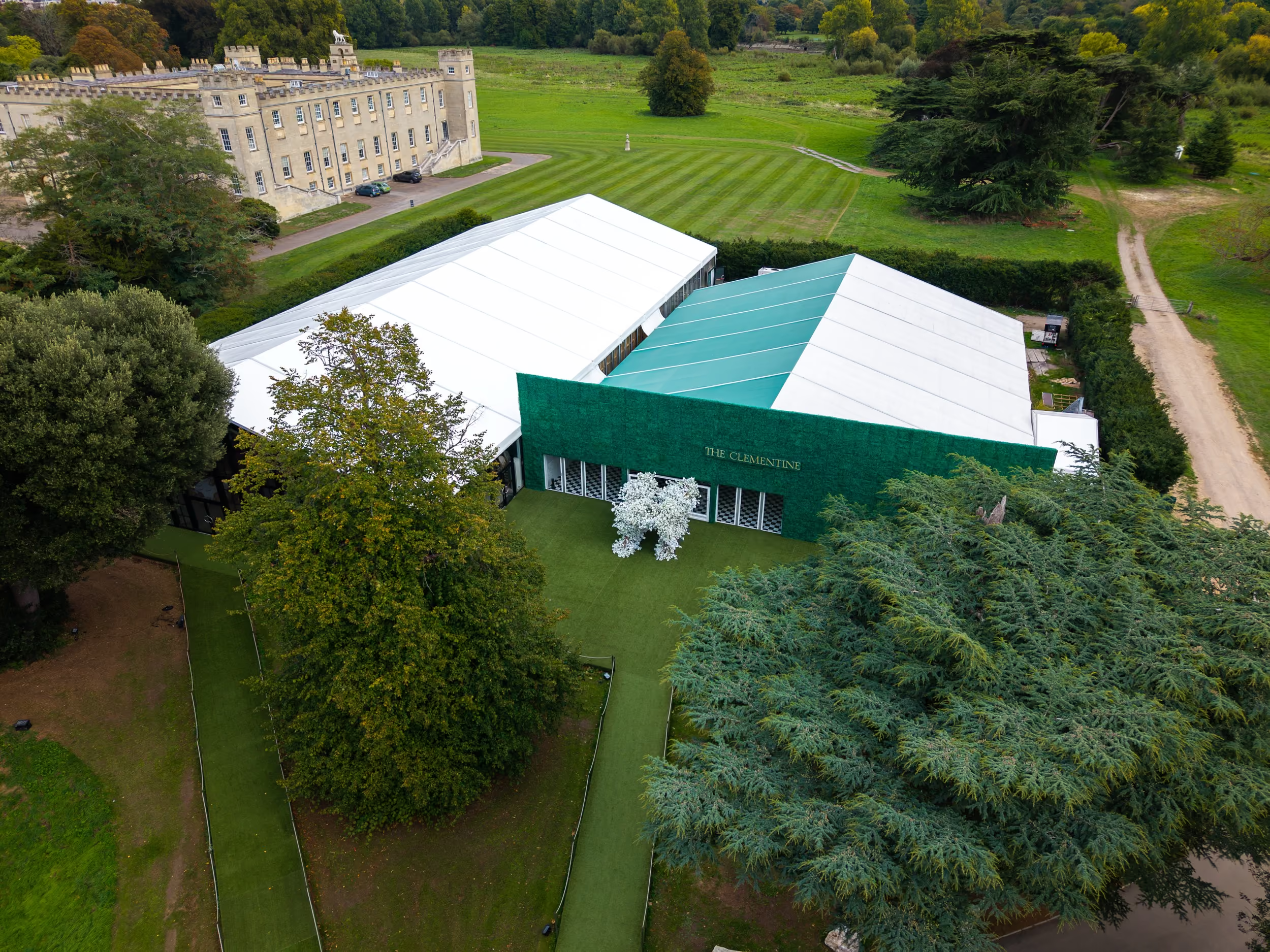
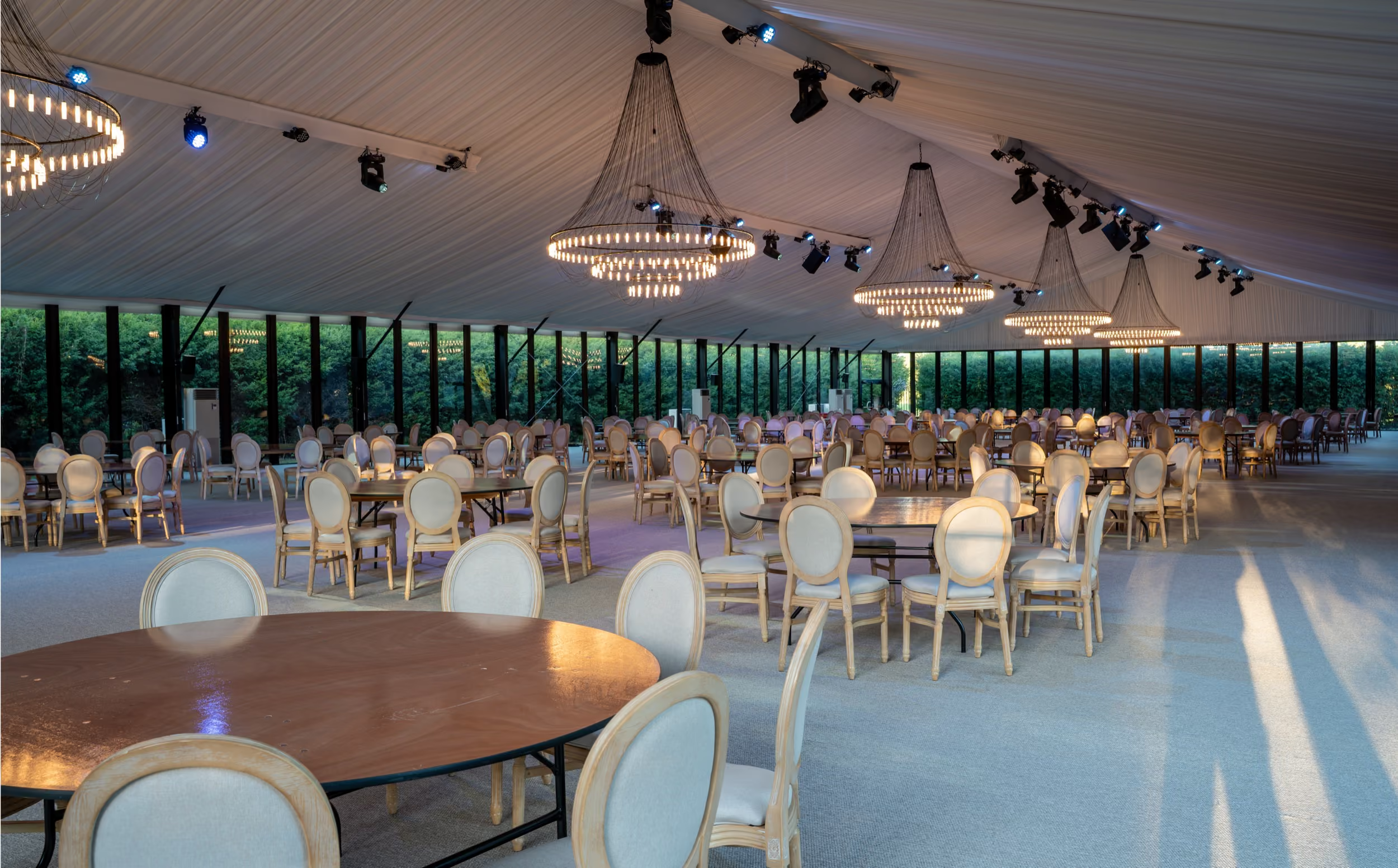
Weather is the most obvious of these. The British summer is not the Mediterranean summer, and planning a significant outdoor element without understanding exactly how the venue manages weather contingency is a genuine risk. This means not just whether there is shelter, but how quickly that shelter can be accessed, how comfortable it is under those conditions, and whether guests moving between spaces feel inconvenienced or whether the transition has been anticipated and designed for. A venue with genuine climate control — not an industrial heater pointed at a marquee, but full air conditioning within a glass structure — removes this uncertainty entirely.
Sound is less obvious but equally important. London's density means that many venues operate under noise restrictions that are, in practice, more limiting than they initially appear. A venue that can host a live band is not the same as a venue where that band can perform at full volume without curfew anxiety. The difference between a performance that's technically permitted and one that can be experienced the way it was intended is often a matter of acoustic infrastructure that was either built in or wasn't.
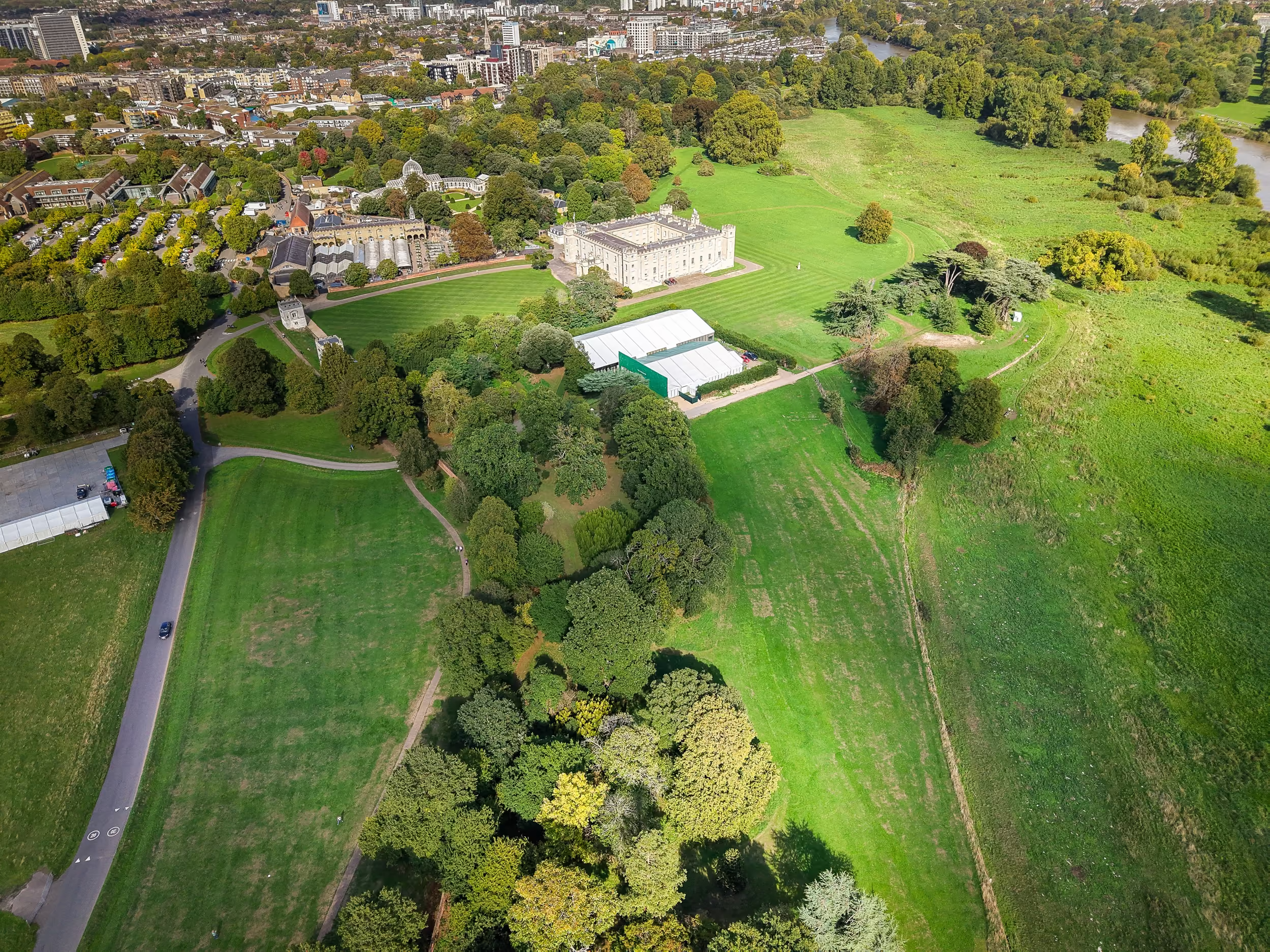
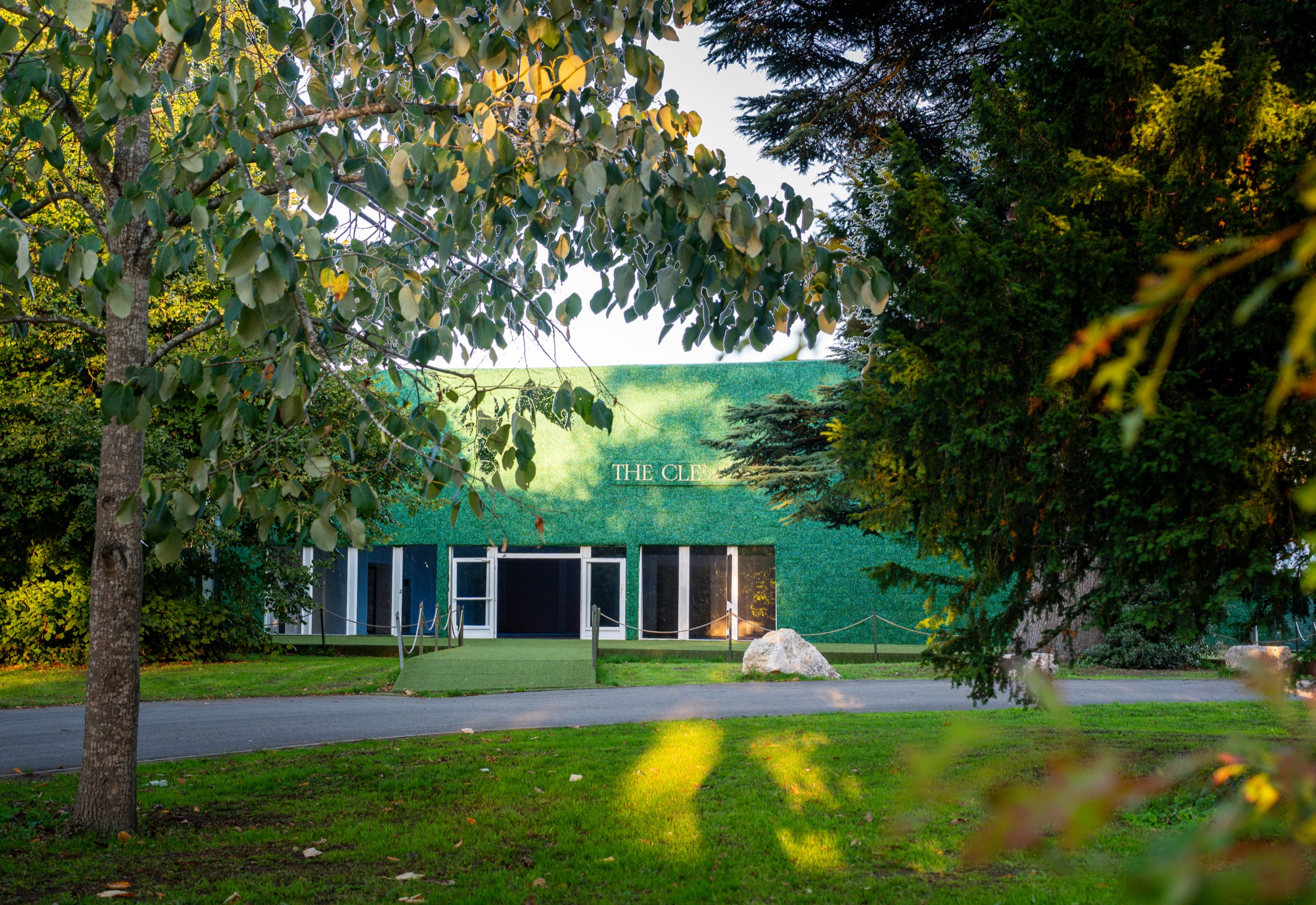
The guest experience of arrival and movement through the space is rarely discussed but consistently noticed. A private event that feels private from the moment guests arrive — where the journey from car to celebration feels like part of the event rather than a prelude to it — is different in character from one where guests are navigating a shared car park and following signs. These are not details that appear in the highlight reel. They are the texture of what it actually feels like to attend.
None of this is meant to make planning a summer event in London sound more complicated than it is. Events here are exceptional when they're exceptional — and the conditions for that are learnable, plannable, and entirely achievable. It's simply worth knowing what to look for before the decisions are made.